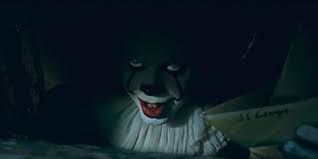
“It” Bill Skarsgård “Paper Boat Scene”
Purpose for this post
Im am creating this post to illustrate the components that go into the genre of horror that me and my partner are doing. Through my AS Media Studies class, I learned how these components are fundamental to the creation of a horror film. This is why I would like to project this information to you, so you all know the basics behind the horror genre.
The Key Elements of Horror
1.Dismemberment: Fear of dismemberment involves loss or dislodgment of a body part from a particular person or being. The recognition (and horror) of the Saw movies involves self-dismemberment because the only way to escape death through severe physical torture.
2.Lightning and Thunder: many of us are scared of lightning and thunder — sudden flashes of sunshine , which will kill, and a sudden and deafening sound that accompanies the lightening. Flashing lights and loud noises create a startle reaction and that they are a mainstay of the horror film.
3.Suspense (anticipation and expectations): The best horror movies are filled with suspense (think Alfred Hitchcock). Suspense involves creating anticipation that something bad will happen, but not knowing when it’ll occur. a number of the foremost shocking horror movie scenes, create anticipation, on the other hand violate the audiences’ expectations (e.g., the hero gets killed; the killer is that the one the audience least expects, etc.).
4.Scary setting/places: Horror movies are filled with scary places – graveyards, old houses, overgrown forests, dungeons, attics, basements. These are dark places, where evil things can hide.
5. The dark: From our earliest childhood years, we’ve been scared of the dark — not the dark itself, but what it hides. It makes horror movies even scarier to observe them during a darkened theater, or a dark front room , right?
6. Fear of death: This is often the last word fear, both existentially and psychologically. It isn’t really a horror movie if people don’t get killed.
7. Creepy crawling animals: Snakes, spiders, rats, and other crawling things are scary in and of themselves, but once they touch the skin, within the dark, it amplifies this common phobia.
8. Disfigurement: Many horror movies feature grotesquely disfigured antagonists (think Frankenstein’s monster, the Phantom of the Opera, zombies). Studies in early development have found that young infants will react with fear to asymmetrical or disordered faces.
9. Scary/Suspenseful music: Music can create moods and elicit emotions. The music utilized in horror movies are often creepy, and may be wont to accentuate the actions seen on the screen. Music intensifies feelings of suspense and shock.
10. Fear of the unusual: We know that young children are often scared of things that are different or unusual (such as a disfigured face), and highly unusual-looking things are often sources of fear. But a standard theme in horror movies is to require something that’s normally not scary (e.g., a doll, a child, a clown) and make it into a feared object. In other words, making the standard , unusual. this might explain the growing number of individuals who confess to a fear of clowns and dolls.
Other Common Characteristics in Horror
- The Element of Surprise:While having prior knowledge is usually good going into a horror film, it’s nice to ascertain the unexpected inherit play so as to form things a touch harder . the principles are meant to be guidelines, but when they’re broken or bent, all kinds of crazy things could happen, which keeps the story fresh. within the case of SCARY STORIES to inform within the DARK, the newly created monster referred to as “the Jangly Man” may be a mixture of several of the books’ monsters became one creepy surprise for loyal fans to enjoy.
- Atmosphere: Dim lighting, wide corridors and fluttering curtains can do tons for a possible scary adventure. Even something as innocuous as creaking floorboards are often threatening, if presented within the right context.
- A Backstory That’s Key to the Monster/Villain’s Purpose: There is nearly always a backstory to the monster or villain of a bit , and it’s a reasonably important thing to possess on your side when telling a scary story. an honest origin story makes the progression of evil interesting and helps the protagonists understand the way to defeat the monster/villain.
- Proper Music: A good horror movie needs an equally horrific score that signifies when danger is around. Screams sound better when they’re in tune with a villain’s arrival song. The more memorable the music is, the creepier it can become when folks happen to listen to it randomly on a dark and dreary night.
- An Ultimate Showdown : A good horror movie needs an equally horrific score that signifies when danger is around. Screams sound better when they’re in tune with a villain’s arrival song. The more memorable the music is, the creepier it can become when folks happen to hear it randomly on a dark and dreary night.
- Clear Rules to Live By: Anyone during a horror movie knows that there must be a group of rules. Whether the story adheres to them or gleefully twists them into something to trap our heroes, these guidelines tell us when to scream and when to sigh with relief. Though it seems a touch late for the SCARY STORIES team, as by finding the film’s book of spooky stories, they’ve already awoken a reasonably powerful evil.
- A Memorable Menace: If you’re going to get scared by a horror movie, it should be a minimum of a threat that’s truly terrifying. Be it a sensible horror villain like Norman Bates or something like SCARY STORIES to inform within the DARK’s cadre of beasties, if they will inspire horror just by watching them or mentioning their name, the story is off to an honest start.
Examples:
-Fear of the Unusual: “The Conjuring 2“
-Disembodiment: “Alien”
-Scary/ Suspenseful Music: “Jaws”
-Fear of Death: “Saw II”
 Rafael Benavente's Blog